Native bees contribute to the pollination of approximately 80% of flowering plants globally.
norfolkbg
Native Bee Conservation
Native Bees of Virginia
Eastern Bumblebee (Bombus impatiens)
One of the most common bumblebee species in eastern North America, known for its distinctive black and yellow coloration.
Mason Bees (Genus Osmia)
Solitary bees known for their use of mud or clay to construct their nests. They are excellent pollinators of fruit trees and other crops.
Leafcutter Bees (Genus Megachile)
Solitary bees known for their habit of cutting circular pieces of leaves to construct their nests (it seems they really like redbuds!).
Eastern Carpenter Bee (Xylocopa virginica)
A large, solitary bee species often found in wooded areas and urban environments, known for nesting in wood.
Long-horned Bees (Genus Melissodes)
A group of solitary bees known for their long antennae and distinctive markings. They are often found in open habitats with abundant flowering plants.
Sweat Bees (Genus Halictus):
A diverse group of small to medium-sized bees known for their attraction to human sweat. They are commonly found in a variety of habitats, including gardens and fields.
How to Create a
Bee-Friendly Garden
The best way to help native bees is by creating habitat that provides food and nesting opportunities throughout the year.
___________
Planting native plants is one of the best ways to support native bees, especially specialist bee species. Click the link below to view our list native plants, trees, and shrubs for bees native to Virginia
A bee-friendly garden should include:
A Variety of Native Flowers: Choose native plants that bloom from spring through fall to provide a continuous source of nectar and pollen. Include flowers with different colors, shapes, and sizes to support a greater diversity of native bee species.
Trees and Shrubs: Plant native trees and shrubs to provide abundant early-season pollen, shelter, and nesting habitat.*
Nesting Sites: Leave patches of bare soil for ground-nesting bees and incorporate hollow stems or dead wood for cavity-nesting species.
Water: Place a shallow dish of water with pebbles so bees can safely drink without drowning.
No Pesticides: Reduce or eliminate pesticide use to protect bees and other beneficial pollinators.
Winter Habitat: Keep standing perennial plants in place until spring, as many native bees overwinter inside them.
Minimized Disturbances: Avoid disturbing nesting areas during the growing season to give native bees the best chance to reproduce successfully.
*Trees and shrubs are especially important because they provide large amounts of pollen early in the season while also offering shelter and nesting sites.
The Importance of Supporting Native Bee Conservation
Native bees are vital to the health of our ecosystems and agricultural productivity serving as essential and efficient pollinators.
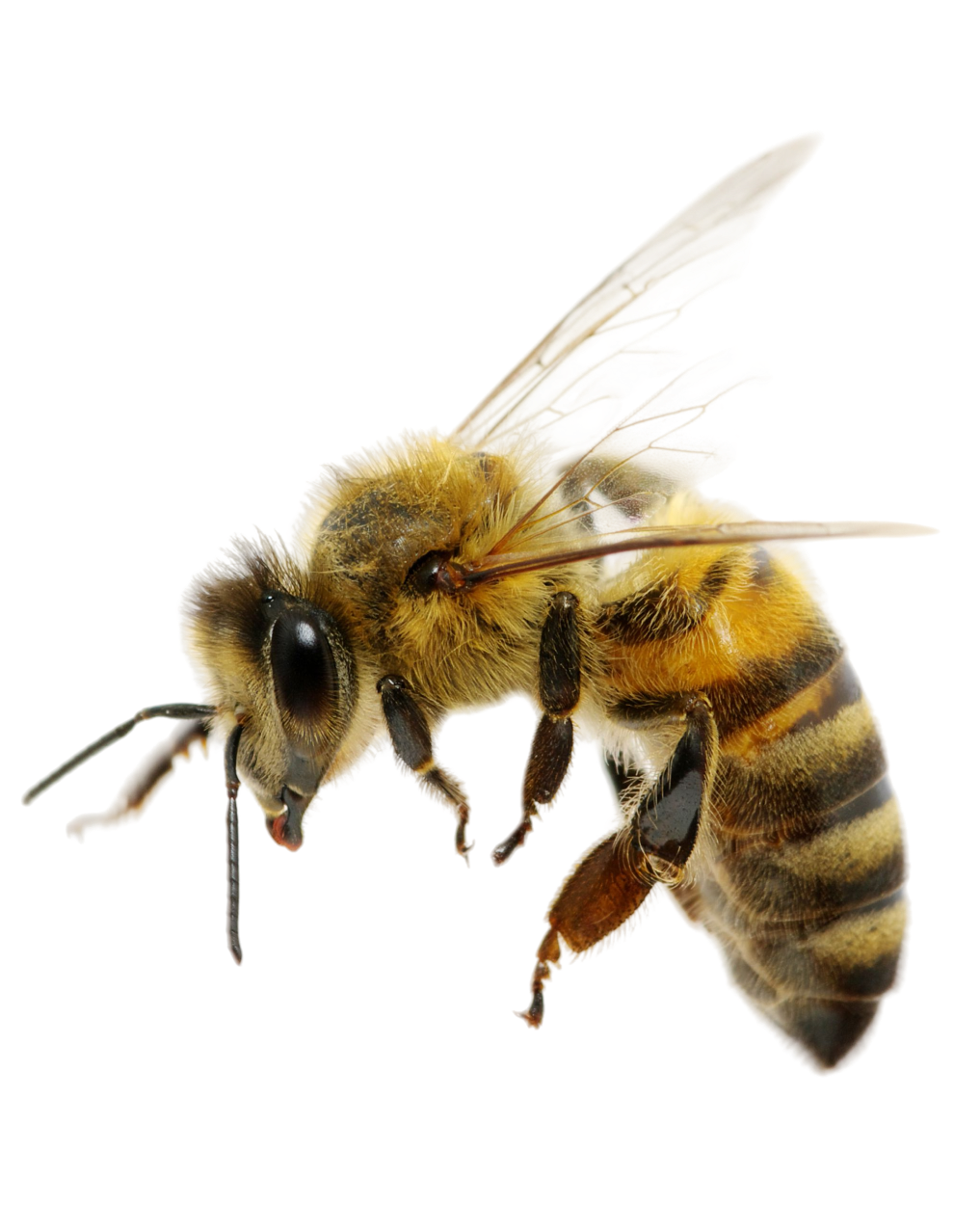
Flower Pollination
Pollination Efficiency
Studies show that a single mason bee can do the work of 100 honeybees in terms of pollination efficiency.
Agricultural Impact
In the U.S., native bees provide an estimated $3 billion worth of pollination services.
Native Bees Are in Decline
More than 50% of native bee species in North America are experiencing population declines, with 1 in 4 species at risk
of extinction.