Horticulture

Horticulture Team

Norfolk Botanical Garden has a team of approximately 40 horticulturists who care for the Garden’s existing 175 acres, including the Perry Conservatory, with its Arid House and Tropical House. Horticulture is the science and art of growing, cultivating, managing, and caring for plants. Our horticulturists are highly skilled and trained professionals with expertise in all aspects of plant care and cultivation.

As an accredited outdoor museum, Norfolk Botanical Garden goes beyond being a beautiful place to visit. The Garden preserves and interprets living plant collections, landscapes, and horticultural practices, providing educational and cultural experiences for the community while connecting visitors with the natural world.

A Unique Location

Located in Coastal Virginia, Norfolk Botanical Garden sits in a unique horticultural sweet spot where the Chesapeake Bay meets the Atlantic Ocean. The insulating power of surrounding waterways keeps the region warmer in winter and often cooler in summer than much of the rest of the state. Combined with good soil, the climate creates a unique sweet spot for horticulture, giving us more in common with places further south, than with the rest of Virgina. It allows us to grow a diverse palate of plants, both native and from similar climates around the globe, while serving both as a resource for area gardeners, and as place of natural beauty for all visitors.

Quiet contemplation and impressive trees can be found along the miles of trails through the more natural parts of the garden and along our waterways. Keep your eyes open for many bird, mammal, and reptile species, as people are not the only creatures who enjoy our garden.

Accredited Plant Collections

Within our 175 acres you can see many renowned plant collections, including:

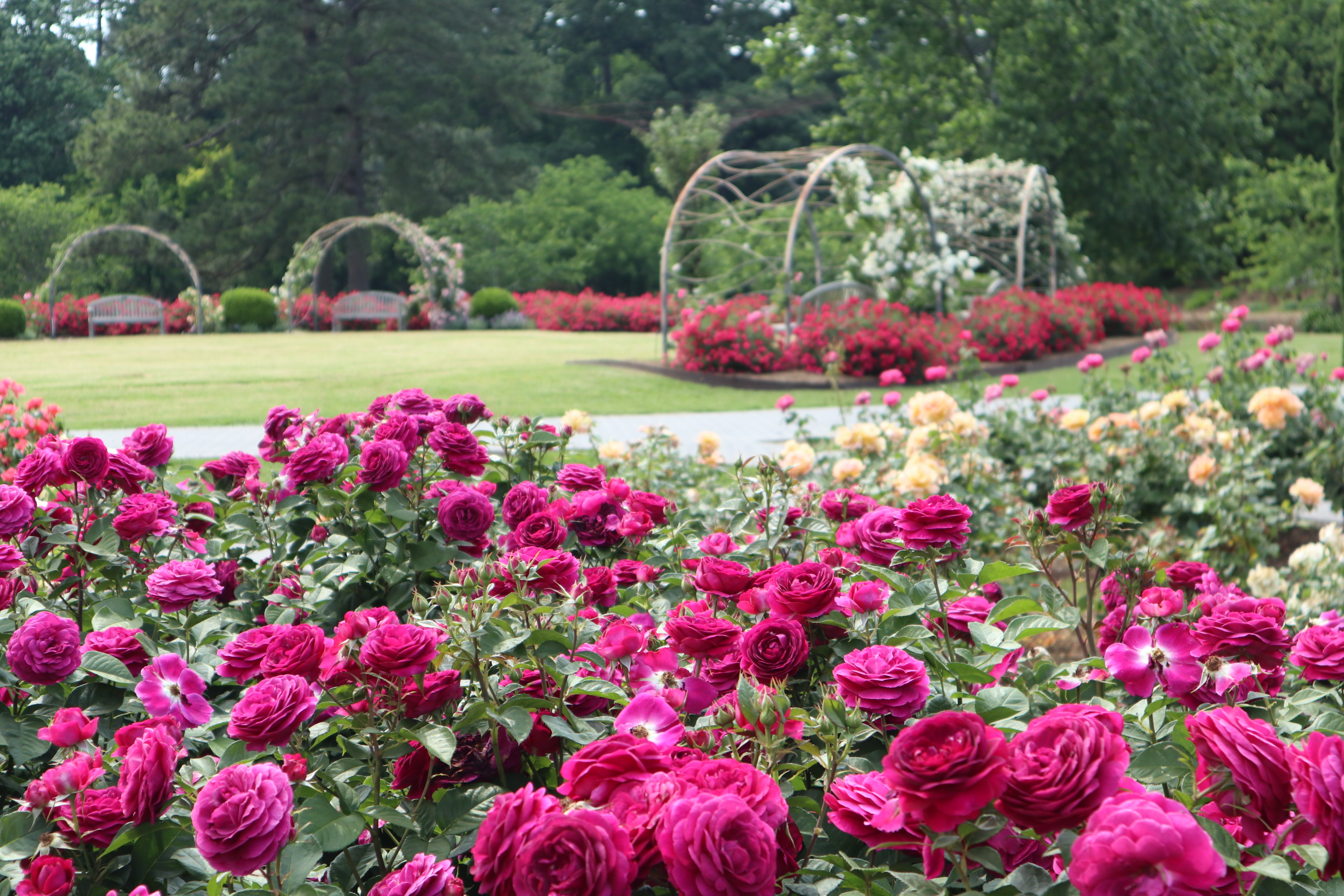
  • Roses: The largest rose garden on the East Coast – The Margaret Moore Hall Bicentennial Rose Garden
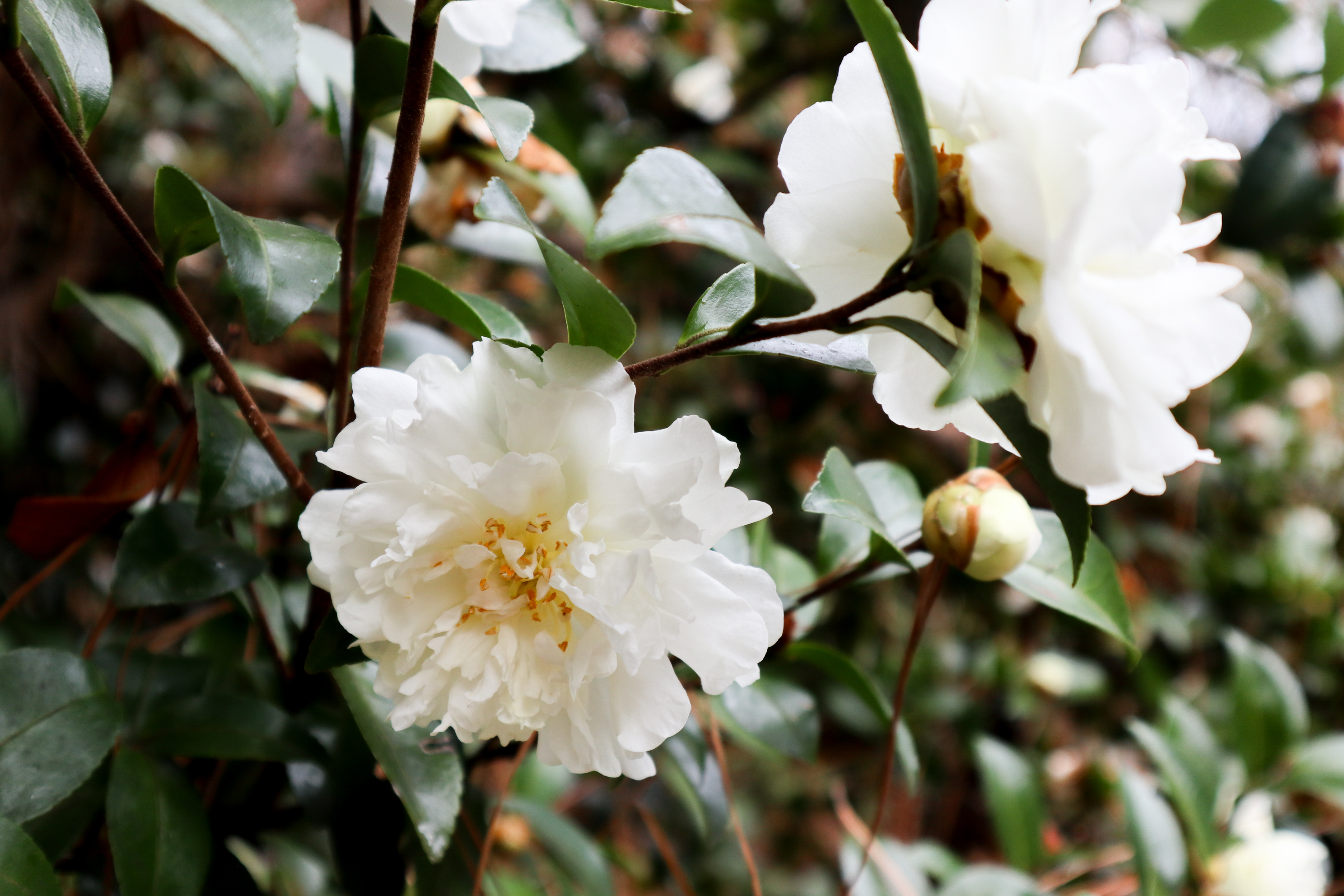
  • Camellias: An internationally recognized camellia garden – The Hofheimer Camellia Garden
  • Hydrangeas: An extensive hydrangea collection – The Kaufman Hydrangea Garden
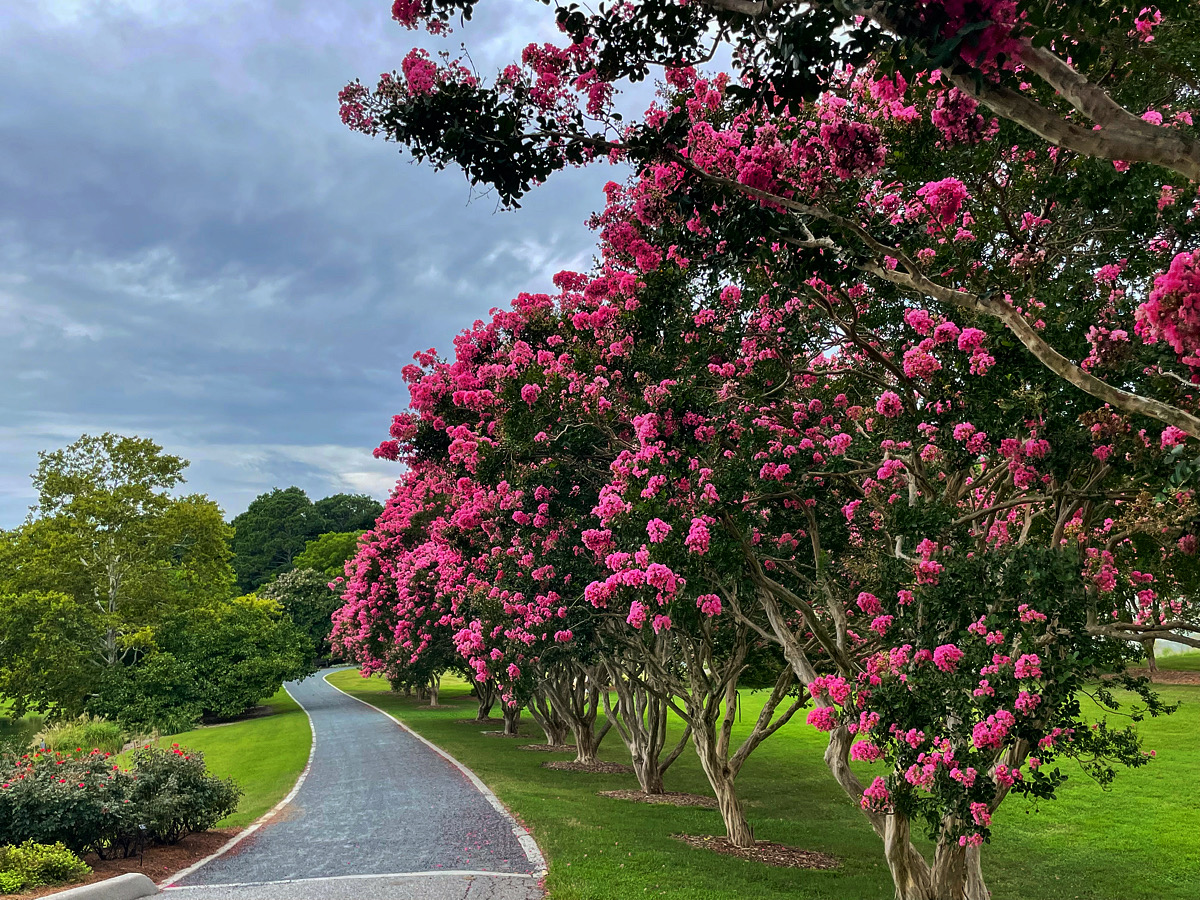
  • Crapemyrtles: The only accredited collection of crapemyrtles in North America
Over 65 Unique Gardens to Experience

Visitors can experience over 60 different gardens with varied styles and intents including:

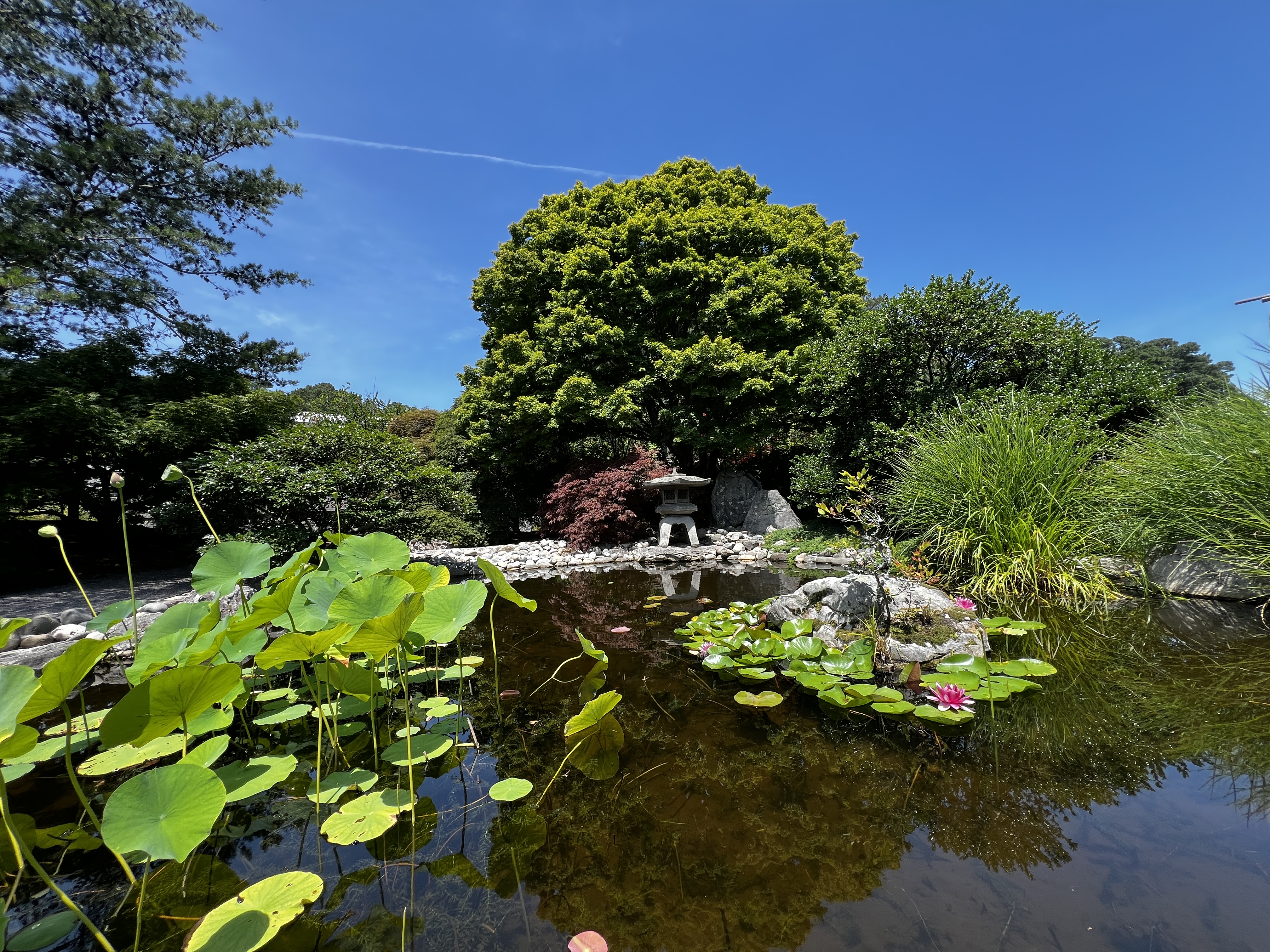
  • The Japanese Garden: Reflects a traditional design ethos using both native and Asian plants
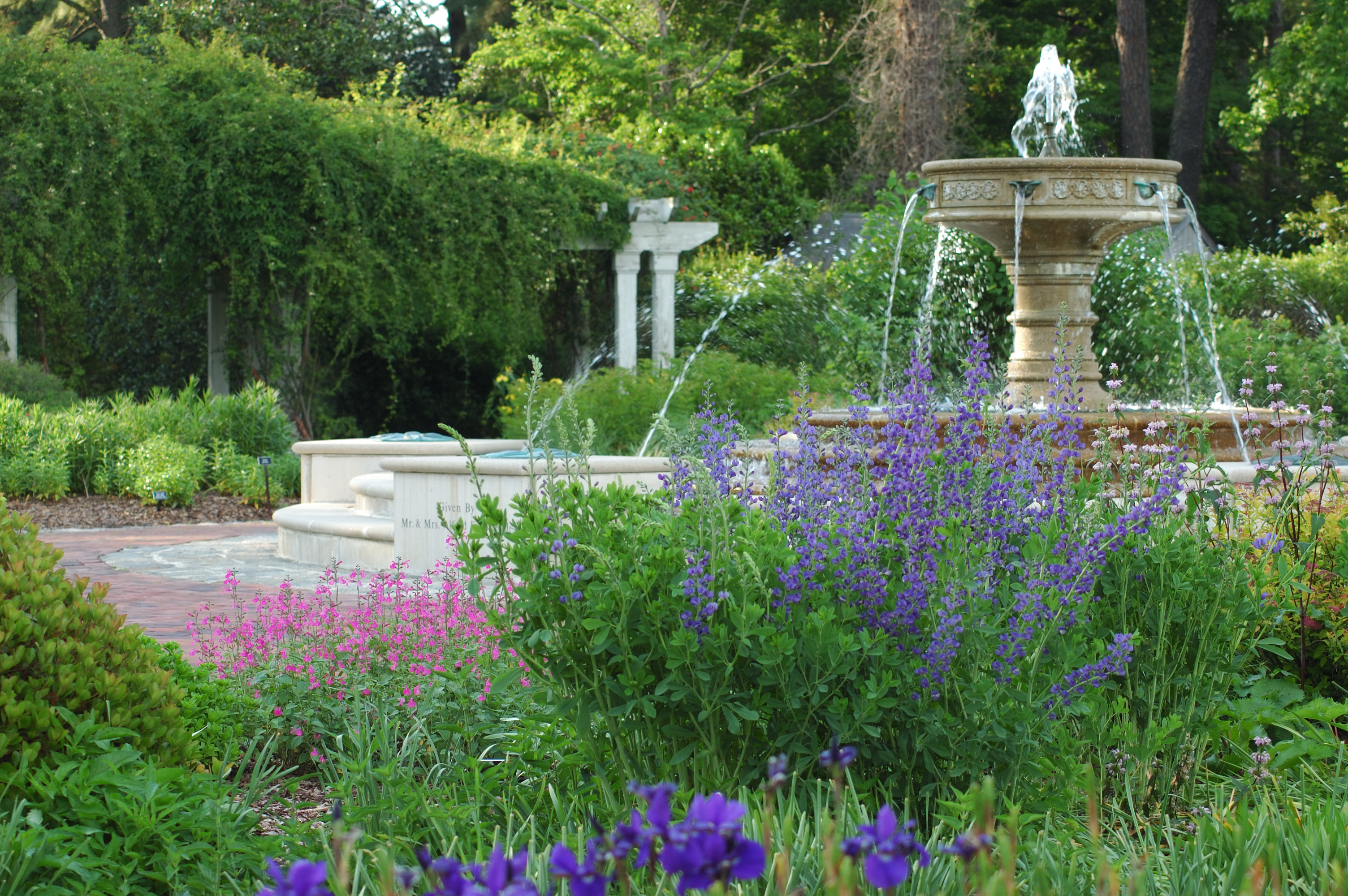
  • The Baker Perennial Garden: Offers year-round interest, with bold color from spring through fall
  • The Perry Conservatory: Showcases two distinct biomes, including a desert environment filled with succulents and a tropical biome planted with lush exotic species
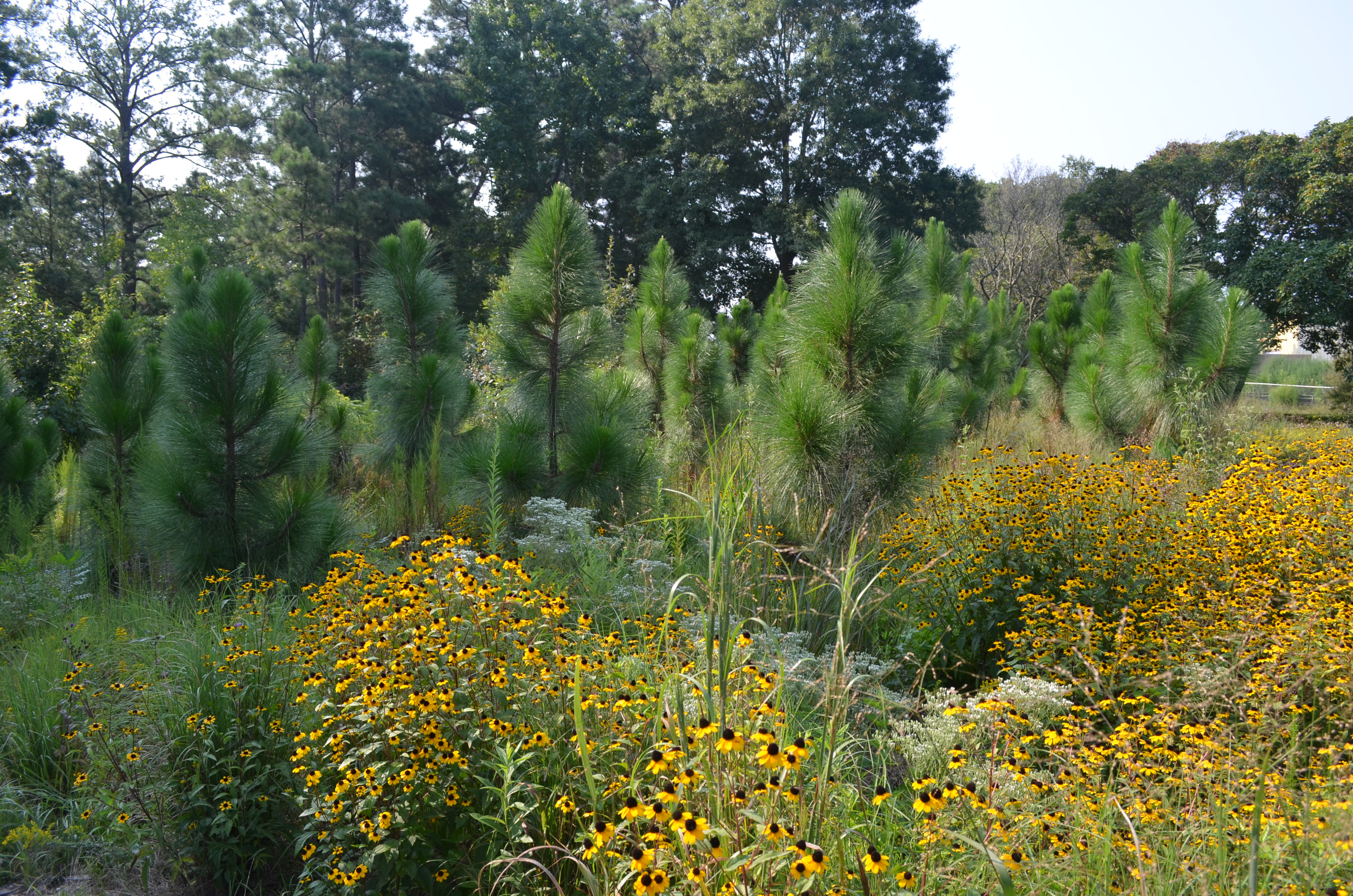
  • The Virginia Native Plant Garden: Highlights plants closer to home, including a recreated longleaf pine savanna
  • The Kitchen Garden: Designed in the traditional French potager style, featuring vegetables best suited to our local climate
  • The Bristow Butterfly Garden: Comes alive in summer with nectar plants, host plants and butterflies, with a seasonal butterfly house allowing observation of all native butterfly life stages
  • And More!

Online Plant Database

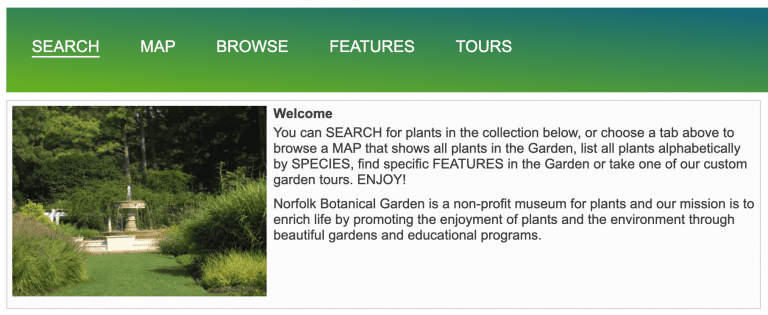
Looking for a specific plant? You can search for plants in our collection, choose to browse a map that shows all plants in the Garden, or list all plants alphabetically by species.

NBG Horticulture Resources

Our horticultural staff come from diverse backgrounds and have varied interests. They love to share what they know, and teach a variety of classes throughout the year, from workshops, to garden tours, to more traditional offerings in classroom settings. If you have questions for them about a plant you have seen here, or about something from your own garden, please stop and ask, or contact them at askaplantquestion@nbgs.org.

Plant Societies

Many of the following organizations meet and/or host their show and sales at the Garden. Please see each society’s page for more information about their calendar of events.

Norfolk Master Gardeners

The Norfolk Extension Master Gardener Association provides current, research-based, home horticulture information and education to the citizens of our community. We have many projects and programs throughout the city

Website: Norfolk Extension Master Gardeners

Email: norfolkvcc.mg@gmail.com

Tidewater Daylily Society

Tidewater Daylily Society, Inc. is a 501(c)(3) organization. We are organized exclusively for charitable purposes for educational and scientific purposes, and especially to promote, encourage and foster the development and improvement of the genus Hemerocallis and public interest therein.

Website: Tidewater Daylily Society

Email: info@TidewaterDaylilySociety.org

Tidewater Orchid Society

To promote public interest in and appreciation of orchids by undertaking exhibits, shows, and other promotions, and will endeavor to increase members’ knowledge of orchids and their culture by lectures, workshops, and educational programs. TOS is organized exclusively for charitable, educational and scientific purposes, including, for such purposes, the making of distributions to organizations under Section 501 (3) of the Internal Revenue Code

Website: Tidewater Orchid Society

Virginia Bonsai Society

The Virginia Bonsai Society started in May, 1975. Our focus is to advance the appreciation of, inspire interest in, and educate about the art of bonsai. We are an inclusive community of bonsai practitioners representing every skill level.  We focus on education, bonsai cultivation, and advancing interest in bonsai and related arts. Anyone is welcome to visit

Website: Virginia Bonsai Society

Email: info@vbs.com

Virginia Camellia Society

The Virginia Camellia Society is dedicated to the growth and propagation of camellias through meetings, workshops, and the presentation and sponsorships of annual camellia shows since 1946. The Virginia Camellia Society in a coordinated effort with Norfolk Botanical Garden, assist in maintaining the Hofheimer Camellia Garden.

Website: Virginia Camellia Society

Email: info@vacamelliasociety.org

Virginia Native Plant Society

The Virginia Native Plant Society (VNPS), founded in 1982 as the Virginia Wildflower Preservation Society, is a nonprofit organization of individuals who share an interest the protection and preservation of the native plants of Virginia and their habitats, in order to sustain for generations to come the integrity of the Commonwealth’s rich natural heritage of ecosystems and biodiversity for purposes of enjoyment, enlightenment, sustainable use and our very own survival. The Society and its chapters seek to further the appreciation and conservation of this priceless heritage.

Website: Virginia Native Plant Society

Email: vnps.org@gmail.com

Tidewater African Violet Society

The African Violet Society is dedicated to the education and promotion of America’s favorite houseplant.

Website: Tidewater African Violet Society

Southeastern Virginia Phenology Network

The Southeastern Virginia Phenology Network is a joint Old Dominion University and Norfolk Botanical Garden scientific study involving phenology.

What is the The Southeastern Virginia Phenology Network?

The Southeastern Virginia Phenology Network is a joint Old Dominion University and Norfolk Botanical Garden scientific study involving phenology. This network was created in support of the USA National Phenology Network which collects and compiles phenological data from around the country and maintains a database for scientists, researchers and the public. Several important plant species are observed regularly at the Garden and other sites in southeastern Virginia. Information on bloom times, leaf out and other phenological information is collected. Plants being monitored in the Garden are located in the Virginia Native Plant Garden, Mirror Lake and Enchanted Forest.

Monitored Plants

The following species are being monitored for the Southeastern Virginia Phenology Network:

  • Acer rubrum (red maple)
  • Cephalanthus occidentalis (buttonbush)
  • Cornus florida (dogwood)
  • Panicum virgatum (switchgrass)
  • Pinus taeda (loblolly pine)
  • Podophyllum peltatum (mayapple)
  • Vaccinium corymbosum (highbush blueberry)
What is Phenology?

Phenology is the study of recurring plant and animal life cycle stages called phenophases. In plants, commonly studied phenophases include flowering, fruiting, leaf emergence and senescence of deciduous and perennial species. The timing of individual phenophases can be monitored using human observations on the ground as well as remote sensing with satellites and aerial photography.

Why monitor Phenology?

Phenological data helps us understand the timing and fluctuations of seasonal cycles using biological components of the environment. Phenophases are biological representations of seasonal cycles and can provide evidence for changes in the Earth’s climate and the effect these changes have on biological systems. Phenology can be a valuable tool for many disciplines including agriculture, horticulture, recreation, conservation, natural resource management and health. Phenological data has been used to estimate the onset of spring, the length of growing seasons, the peak fall color season. It is also used to predict bloom times for individual species which can provide information on allergy seasons and garden bloom times. To learn more about how phenological data is collected and used, visit the USA-NPN Web site.

Want to Help?

If you see plants blooming in the garden let us know! While we only submit observations to the national database for a few species right now, we hope to add many more soon. Submit NBG observations and photos to: lewallac@odu.edu

You can also visit Project Budburst which accepts any observation on any species and will post your name and photos.