norfolkbg

Camellia
Camellia Flowers
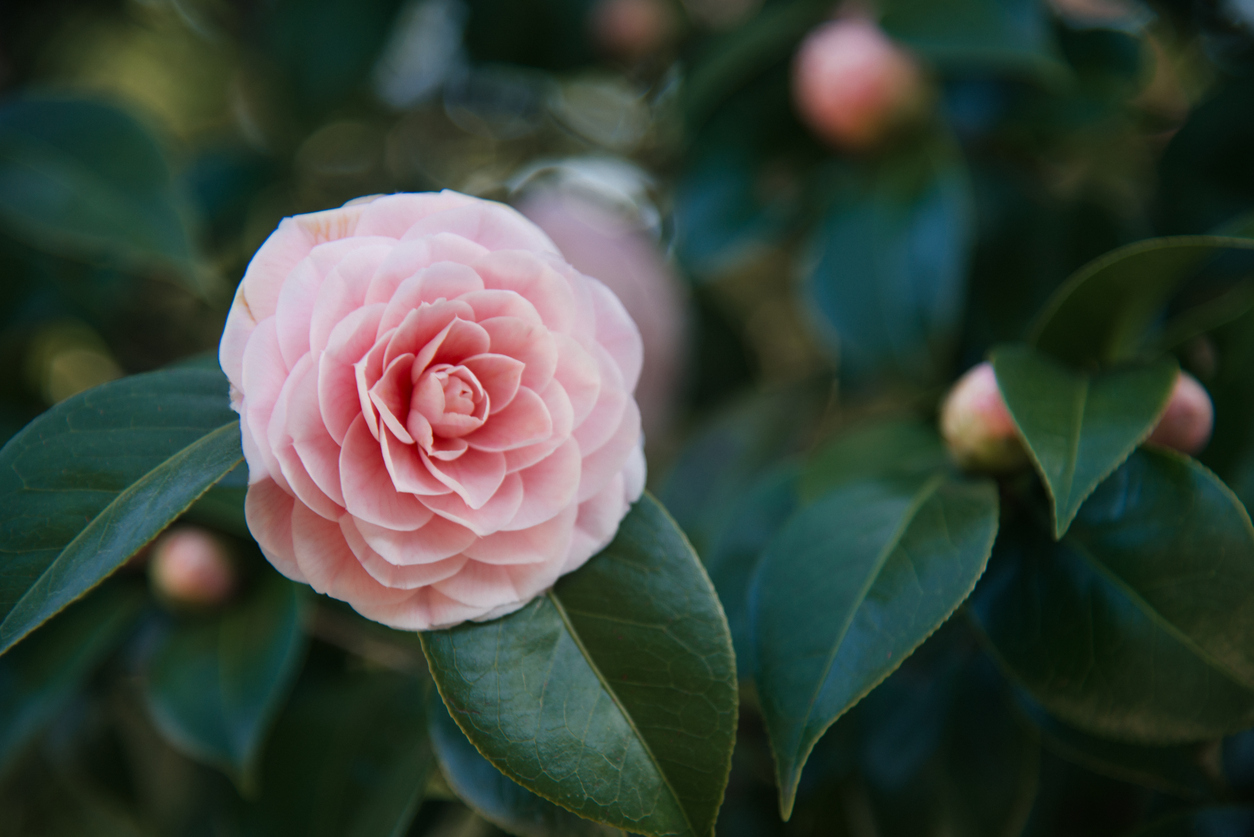
In the wild, the flowers of camellia species are single. Over the years, however, many forms of camellia flowers have been selected, both from wild populations and through hybridization, causing the need to classify them for horticultural identification.
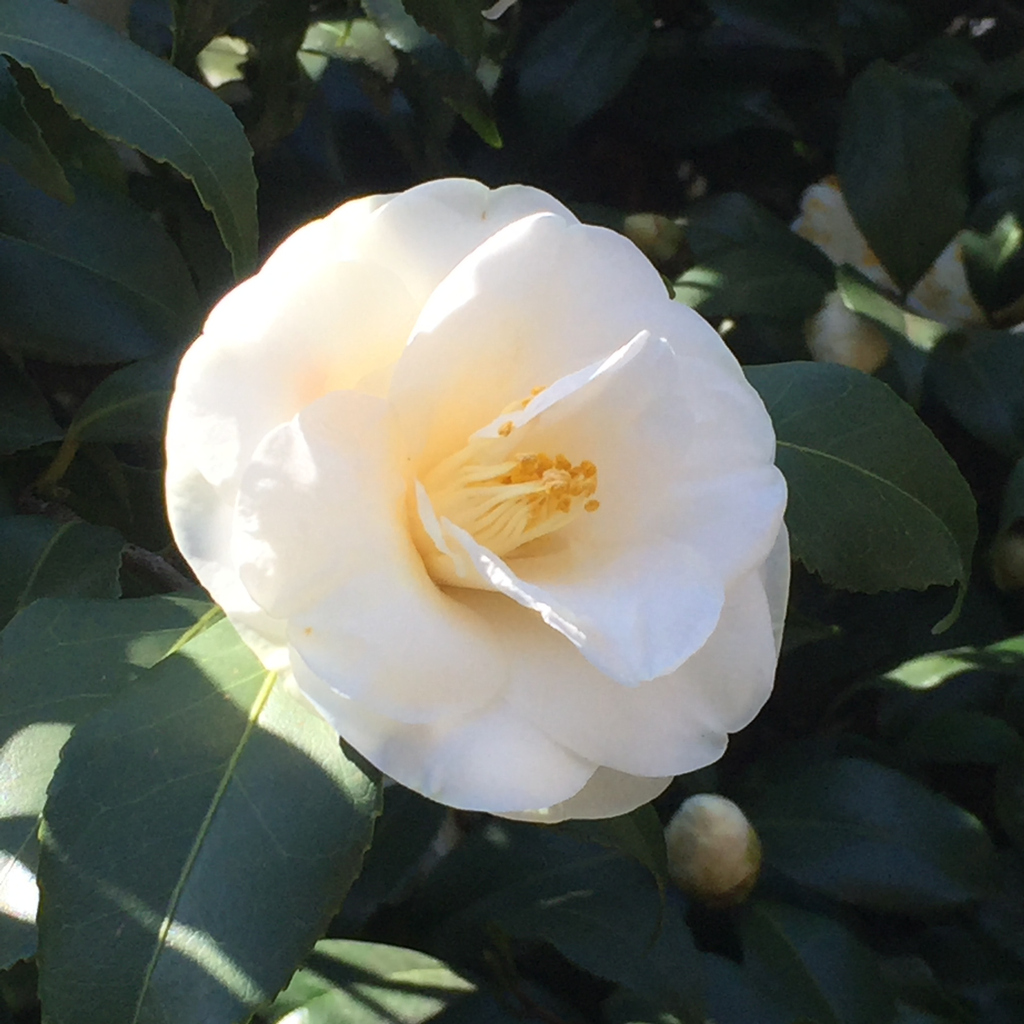
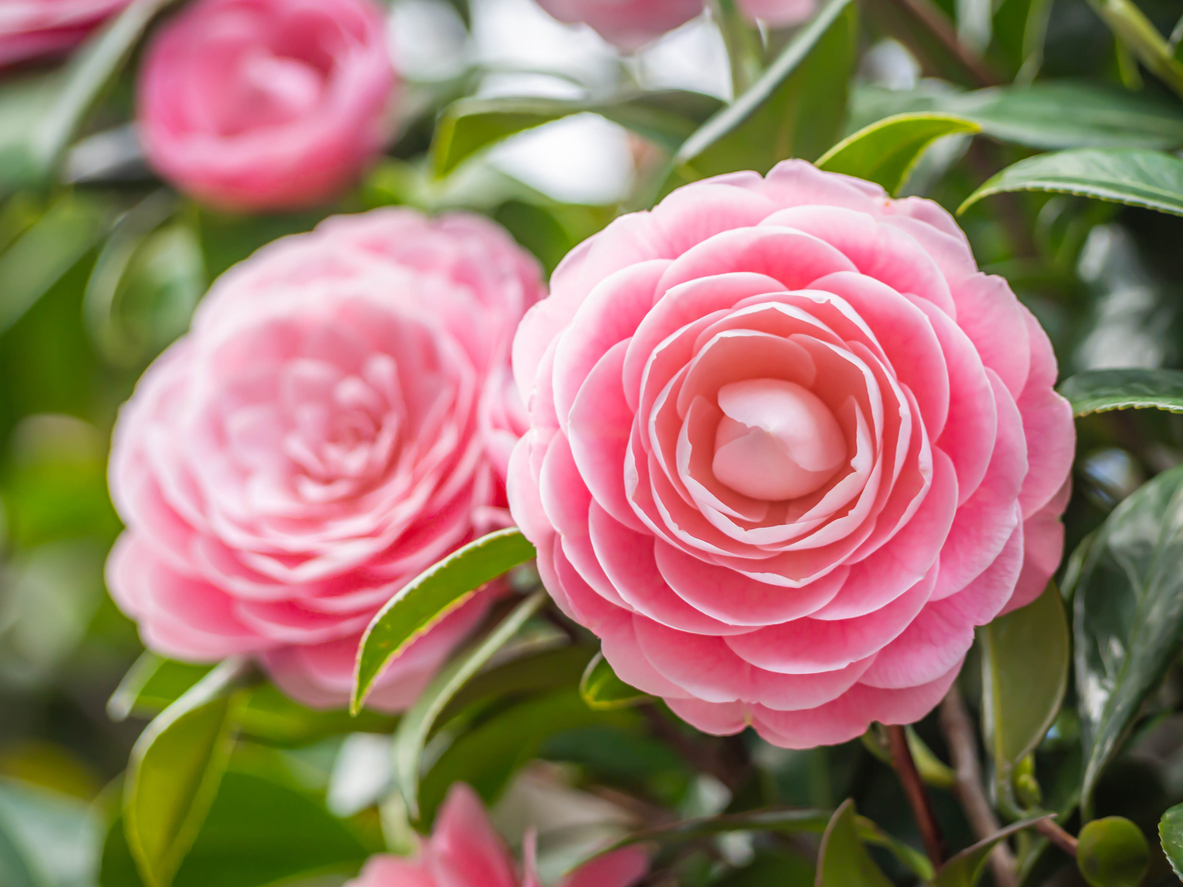
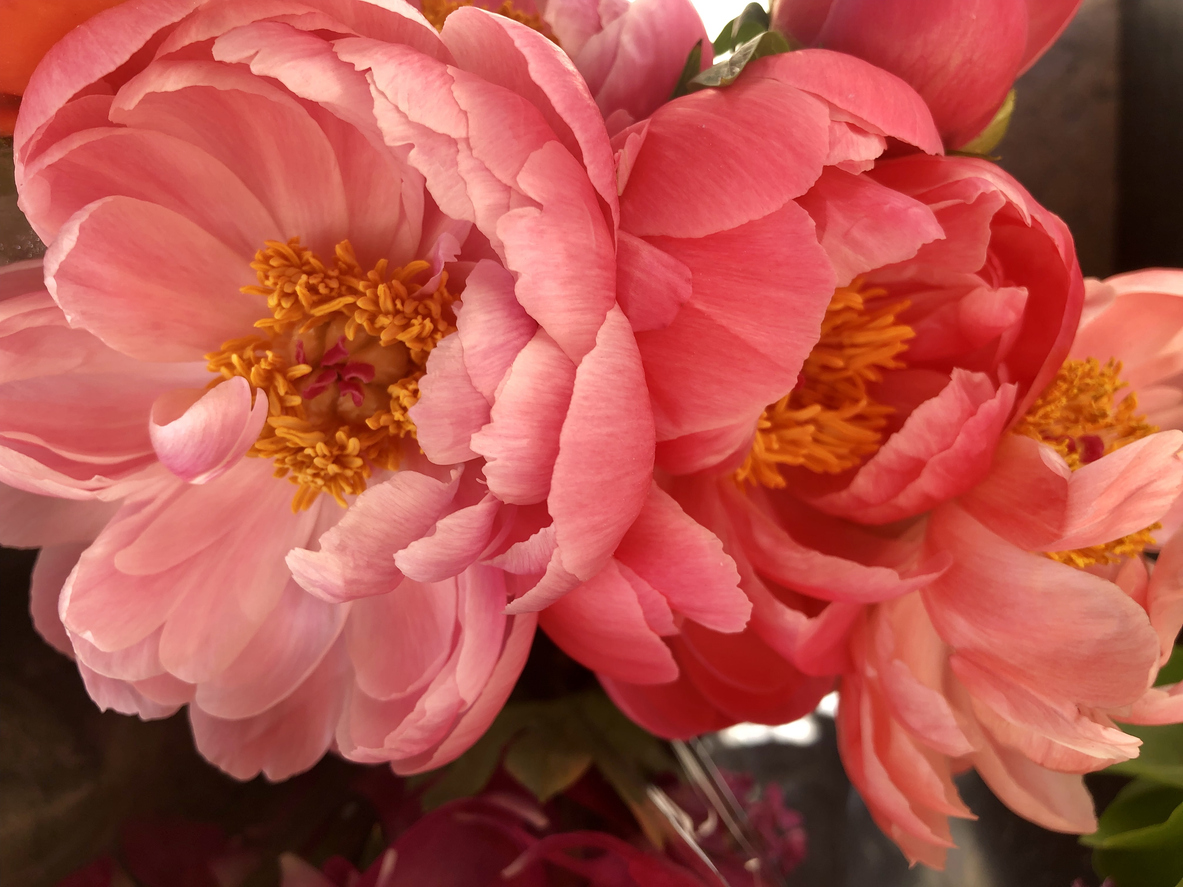
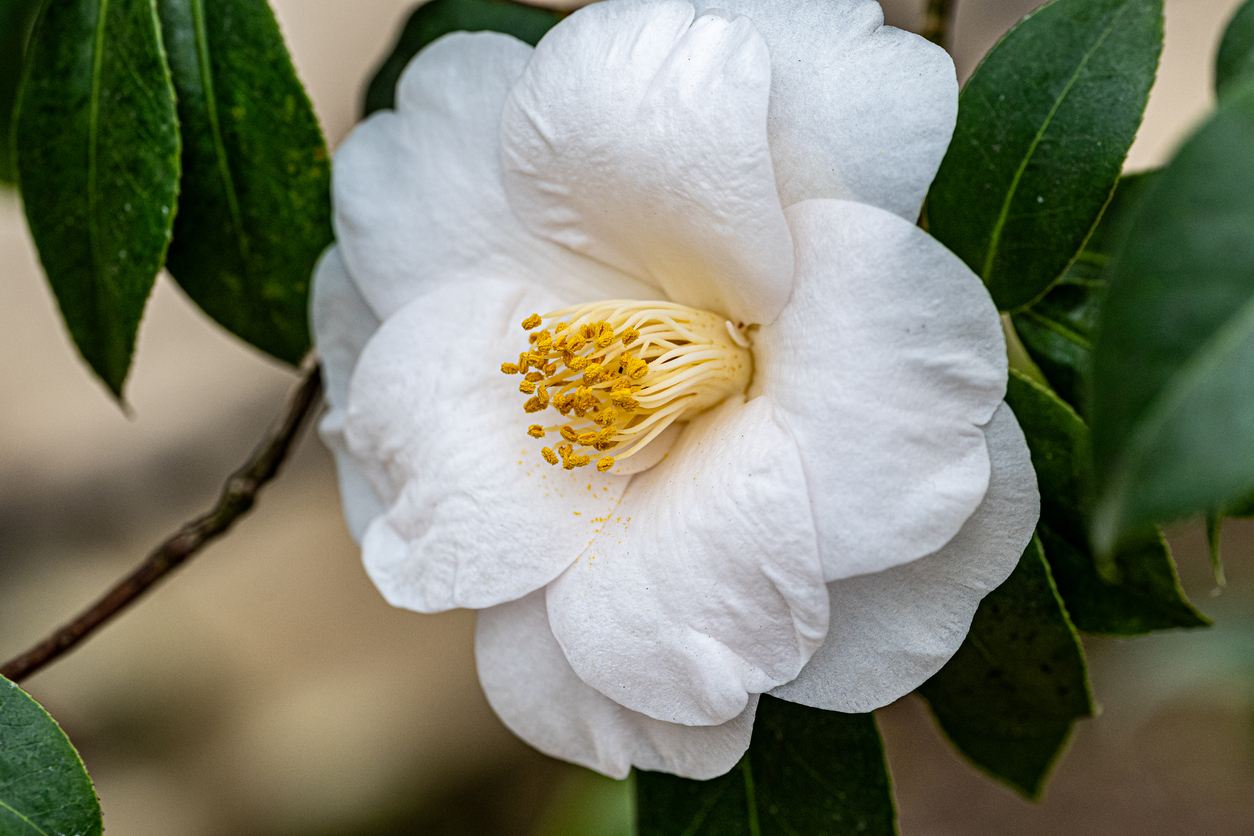
Camellia Species
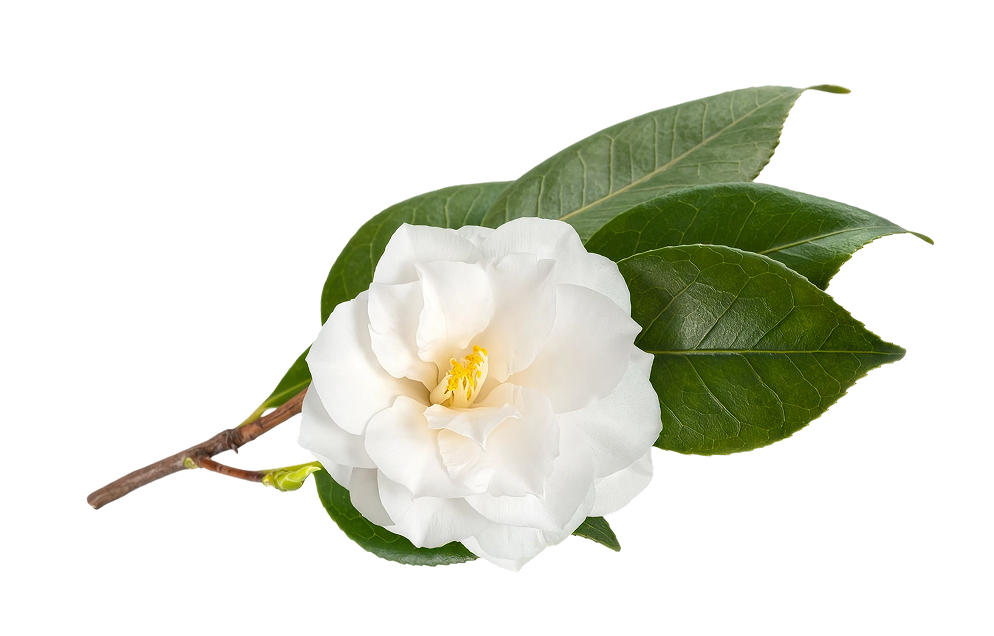
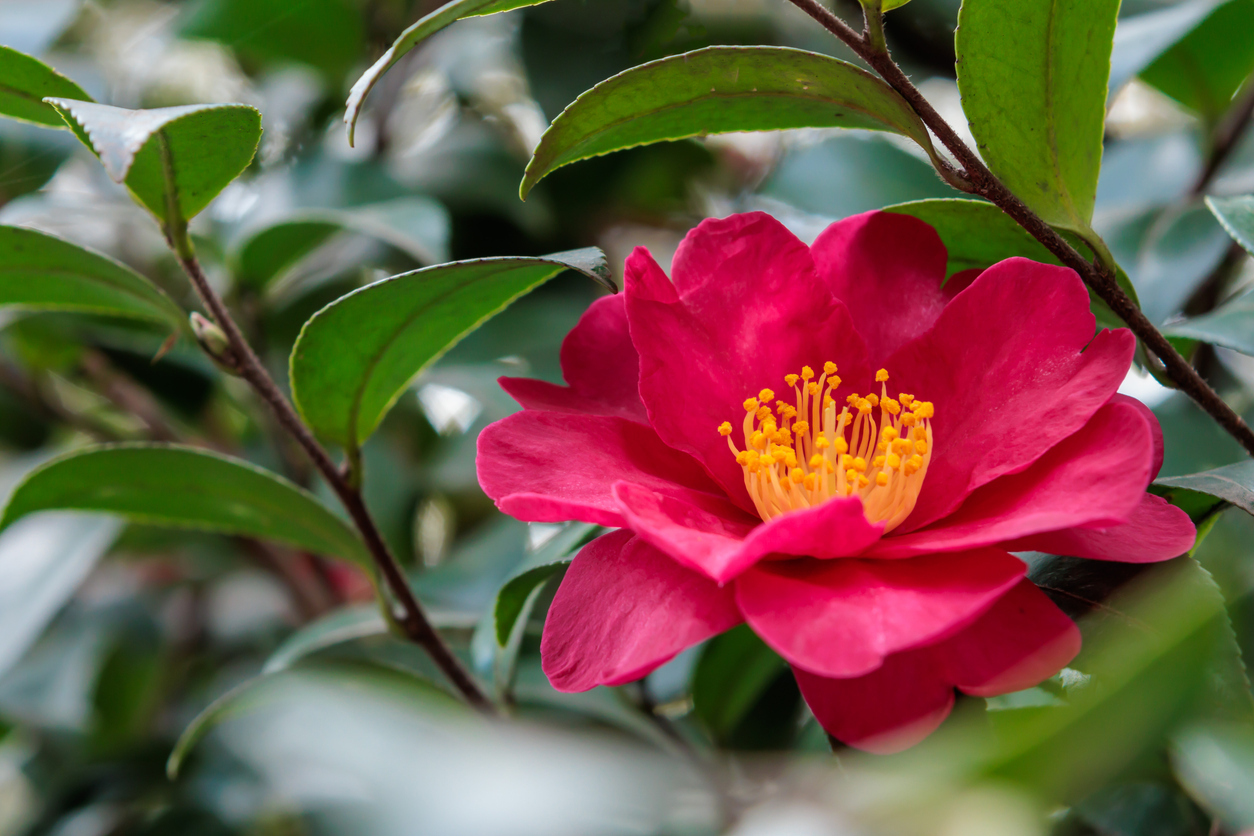
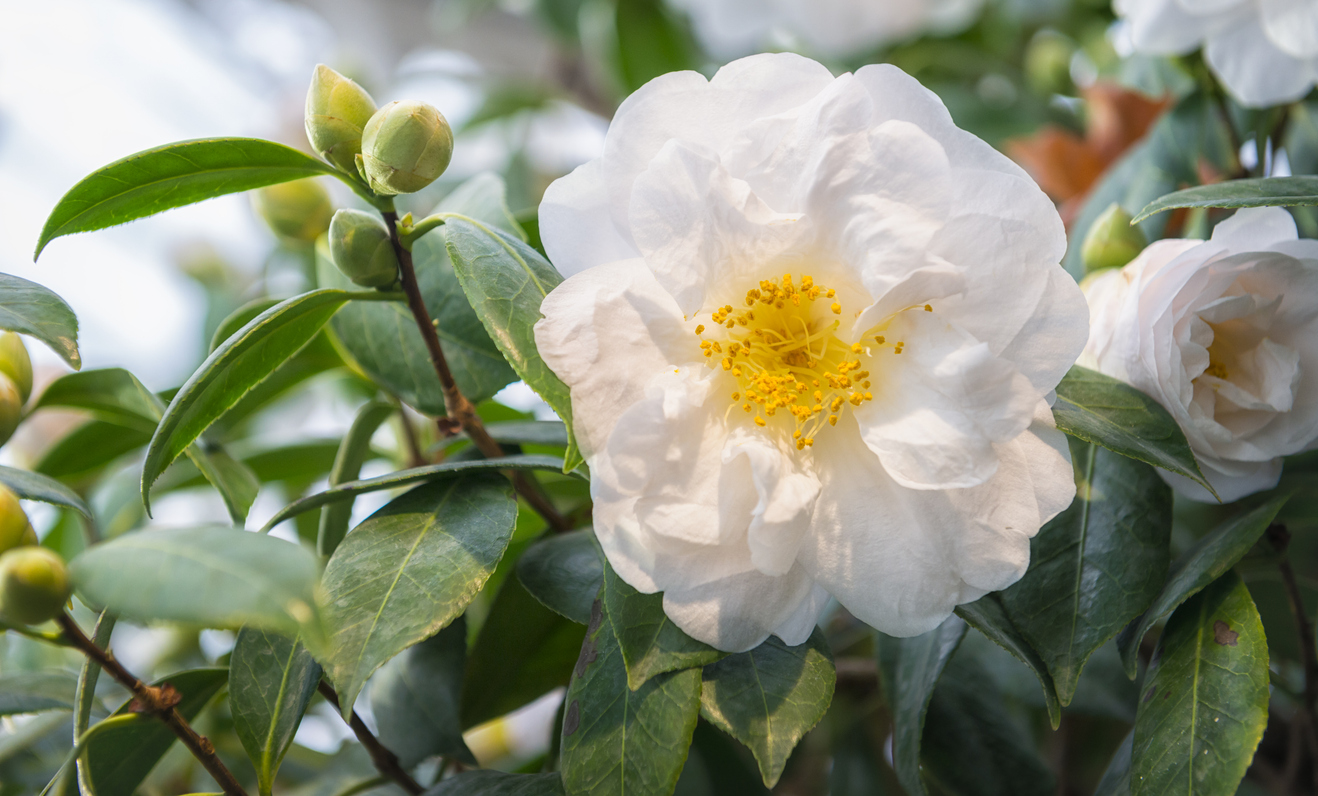
Commercially important plants include the tea plant Camellia sinensis, the source of green and black tea, and the tea oil plant Camellia oleifera, which produces oil used in cooking, cosmetics, medicine, and industry. Camellia japonica, C. sasanqua, and C. reticulata are prominent ornamental species, with most garden camellias being cultivars and hybrids derived from these plants.
Other species offer unique traits and valuable material for hybridization. C. lutchuensis is the most fragrant camellia; C. cuspidata has unusually narrow foliage; C. brevistyla has distinctive bark; and C. saluenensis features unusual foliage, prolific blooms, and crosses readily with other species. The large-flowering but tender C. granthamiana was first imported into the U.S. by Norfolk Botanical Garden’s Fred Heutte.
Look for these species in the garden:
- Camellia brevistyla
- Camellia chekiangoleosa
- Camellia cordifolia
- Camellia gaudichaudii
- Camellia grijsii
- Camellia lutchuensis
- Camellia pitardii
- Camellia saluenensis
- Camellia yuhsienensis
Camellia X Hiemalis and Camellia X Vernalis Hybrids
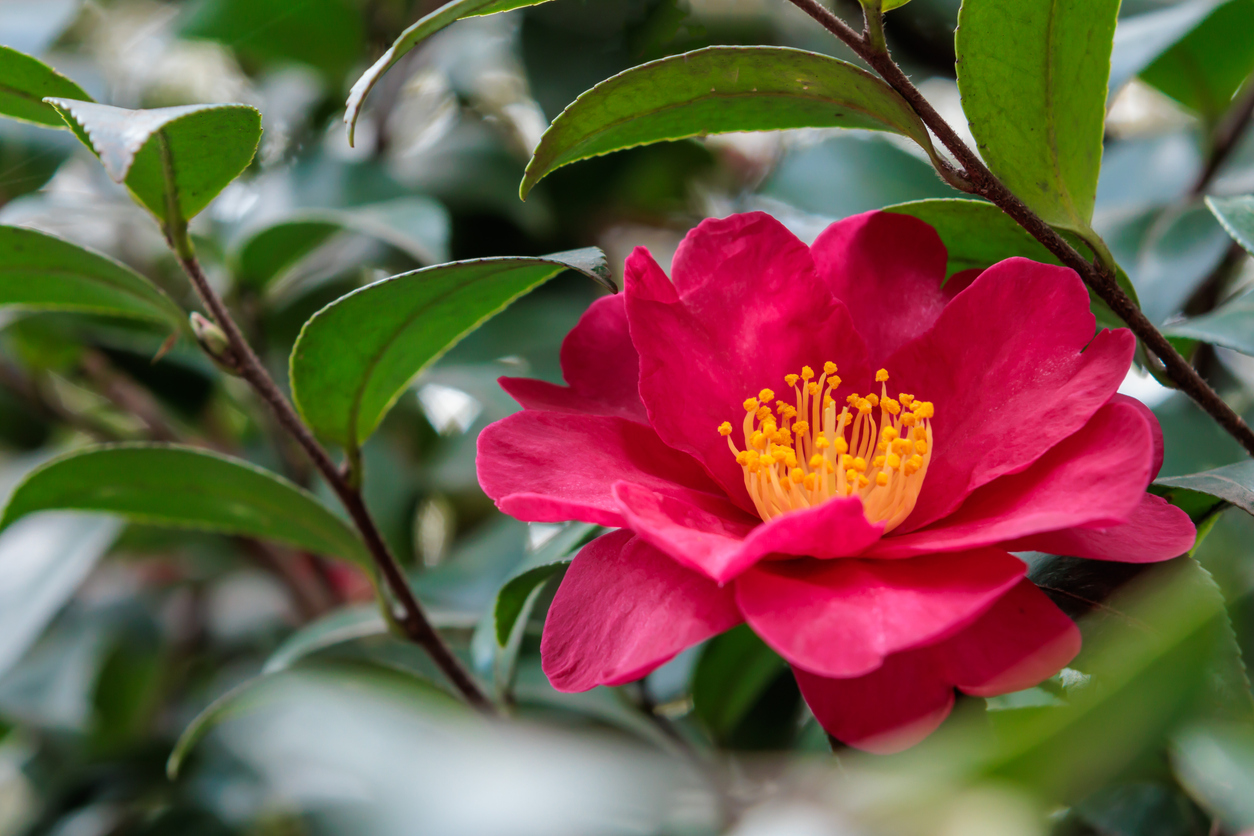
These two groups are very old hybrids thought to be developed in Japan and China . They are probably crosses between Camellia japonica and Camellia sasanqua. The hybrids tend to flower slightly later than Camellia sasanqua varieties and several are spreading or prostrate growers.
Caellia X Williamsii Hybrids
The williamsii hybrid group originates from the cross of Camellia saluenensis and Camellia japonica produced by J C Williams in the early 1930s. With their smaller tougher leaves, they are remarkably hardy and produce an abundance of flowers that tend to drop neatly as soon as they finish blooming.
Ackerman Hybrids
This group of cold hardy hybrids was developed by Dr. William Ackerman at the National Arboretum. He crossed Camellia oliefera with other species and hybrids, including Camellia sasanqua, Camellia japonica, Camellia x hiemalis and Camellia x williamsii. Many of the Ackerman hybrids can be found in a planting bed near the entrance of the Hofheimer Camellia Garden.